In the world of performance apparel, relying solely on fabric stretch is history. The spotlight has shifted to “structural aesthetics”: using seams, panelling and tailoring to actively sculpt the body. What follows is a step-by-step dissection of the seven key detailing trends, kept in the original sequence so pattern-makers, buyers and merchandisers can speak the same language and speed up sampling.
Shaping New Language Within the design conversation around functional clothing, the era of depending purely on fabric properties is over. Focus has moved to a more sophisticated “structural aesthetics”––refining and optimising the human silhouette through precise workmanship and clever cutting. This season’s legging trend report explores that evolution, zooming in on details that re-model the body and raise visual value. From re-defining the waist/hip focal point via “Waist-Line Ingenuity” and “Waist-Derived Artistry”, to chiselling glutes through “Hip-Line Re-Sculpt”; from stretching the leg visually with “Side-Seam Stripes” and “Linear Rhythm”, to giving pieces elevated texture and movement through “Textural Sheerness” and “Dynamic Hem”––we reveal how these micro moves lift performance bottoms into expressive fashion masterpieces.
1、Waist-Line Ingenuity
2.Waist-Derived Artistry
3、Hip-Line Re-Sculpt Hip-Line Re-Sculpt has become the central issue in performance-tight design: brands now use precision pattern engineering to satisfy consumers’ quest for an optimised silhouette. The trend follows two main routes. Route one deploys curved panels and V-back seams—AYBL’s signature rear-waist V-stitch lifts and cups the glutes for added three-dimensional shape and secure wrap. Route two employs functional prints or embossed textures: Under Armour’s contrast lines trace muscle paths, highlighting dynamic anatomy while visually guiding the eye for extra contour. By shifting shaping from passive fabric stretch to active visual architecture, these micro-constructions sharply raise commercial value and professional appeal.
Technical notes: keep stripe width 4–6 mm—wider looks like school uniform pants, narrower stitches are unstable; shift the stripe 1.5 cm inward to create a shadow that “tucks” the outer thigh. Use matte polyester high-stretch yarn to avoid a cheap plastic shine. For small runs, 3 M reflective yarn can be woven invisibly, giving night-run-to-yoga versatility.
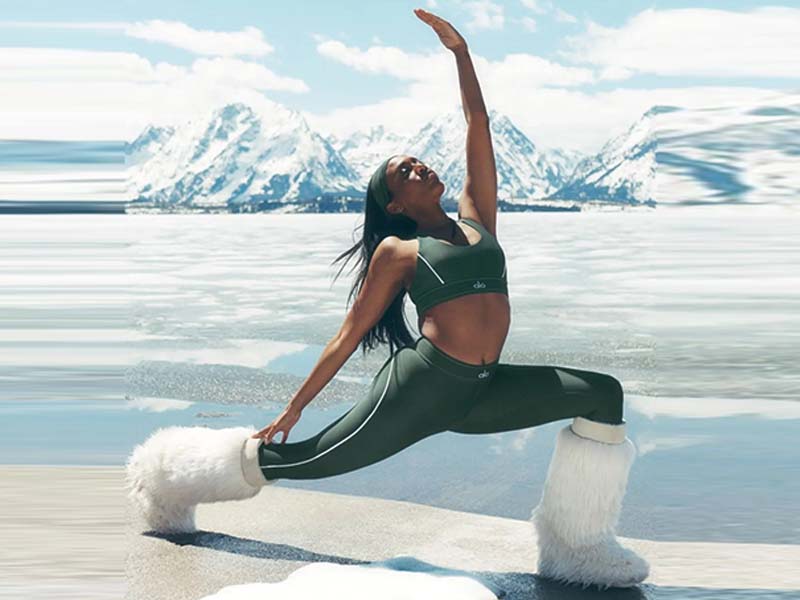
4、Side-Seam Stripes Applying linear graphics along the side seam subtly re-engineers and elongates the leg silhouette for a visual slimming effect. This detailing legacy of sport aesthetics is also a commercial multiplier: Alo Yoga pairs refined monochrome piping with contrast stitches for a pared-back, tech-savvy accent, while wider colour-block panels turn the stripe into a structural feature that delivers stronger visual impact and fashion authority. Whether used as decorative line or constructive division, side-seam stripes precisely answer the consumer’s dual demand for performance and aesthetic appeal.
V-cross waist: a 90° V-angle at center front visually nips the waist by 1.5 cm. Knot cut-out: a 2 cm openwork twist at the center of the waistband adds breathability and a touch of allure. Draw-cord colourway: cord ends finished with matte-silver eyelets lifts overall refinement.
5、Textural Sheerness
6、Linear Rhythm
7、Dynamic Hem Introducing a side-slit at the hem injects new energy and fluidity into the legging. Though micro, this tweak reshapes the overall silhouette and wearing experience. By breaking the traditional closed cuff, the fabric’s drape is fully released, adding airy movement with every step. Take the grey yoga pant shown: built on a snug micro-flare, a discreet 6 cm side-slit elongates the leg and lends studio-to-street elegance, hitting the sweet spot of performance and style.
A 0.5 cm slit lets the fabric “breathe.” The 6 cm opening is placed along the side seam so front and back panels overlap naturally when you walk, upgrading drape by a full level. Bar-tack 0.8 cm above the slit to prevent tearing; bind the vent with a small self-fabric triangle to stop rolling. Fit feedback: “It feels like the pant sways with me—like wearing a sculpture in motion.”
Conclusion Across this season’s pant detailing, one clear thread emerges: design is intervening in body shaping with unprecedented precision. From re-engineering the waist and hips to guiding the eye along leg lines and finishing with dynamic hems, designers behave like sculptors—using seams, panels and material contrasts to sketch an ideal silhouette. Functional apparel has moved beyond basic coverage into a “body-architecture” that fuses sport science, ergonomics and high fashion. Consumers now demand more than peak performance; they want a second skin that broadcasts confidence and individuality. As technology and style continue to merge, such detail-driven shaping will grow ever smarter and more personal. Tomorrow’s leggings won’t simply be clothes; they will be intelligent aesthetic extensions that coexist in perfect symbiosis with the body.