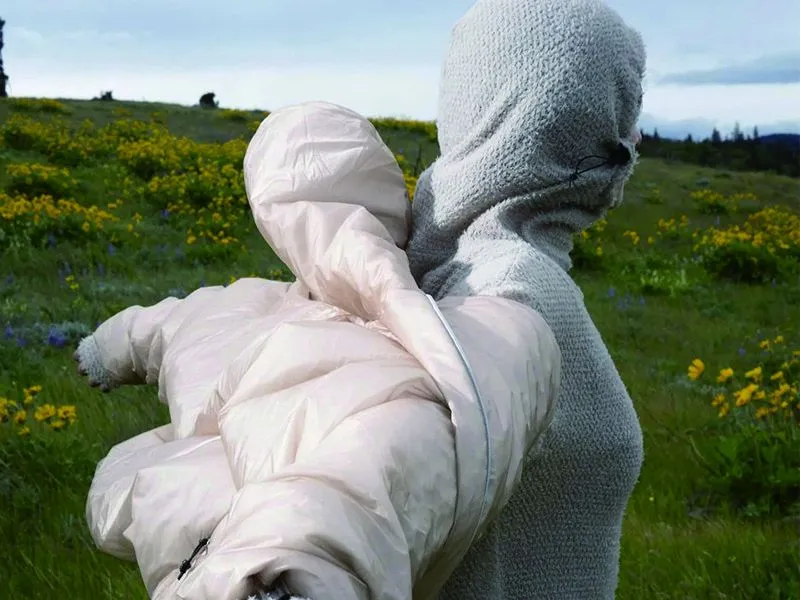
In today’s global women’s fashion market, Cottagecore has become a popular trend in cross-border apparel thanks to its natural, nostalgic, and romantic qualities. It is more than just a dressing style; it is a spiritual expression of urban people’s longing for a slow-paced life and a return to nature. With a stable audience and long-term potential in foreign trade markets, Cottagecore is a key direction for the development and product selection of international women’s apparel.
Ⅰ. Core Interpretation of Cottagecore Cottagecore is a visual style woven from rural culture and a romantic way of life, carrying the spiritual metaphor of escaping the city and returning to authenticity. Originating from traditional European rural life, it has evolved through multiple cultural and fashion shifts into a women’s wear style that blends nostalgic warmth, romantic poetry, and everyday wearability.
At the heart of its design are floral prints, lace, and layered hemlines, with a strong preference for natural fabrics such as cotton, linen, and knitwear. The overall vibe is comfortable, relaxed, gentle, and healing, suitable for daily outings, casual social occasions, and outdoor leisure. It perfectly meets the demand of overseas women for outfits that combine comfort and beauty.
Ⅱ. Evolution of Cottagecore
1. Founding of Classical Pastoral Romanticism From the 18th century to the early 20th century, the Industrial Revolution fueled the revival of romanticism and craftsmanship, giving rise to the cultural concept of Cottagecore. Fashion of this era fell into two categories: rural women favored cotton, linen, floral prints, patchwork, and lace, emphasizing practicality and handcrafted details; aristocratic women used silk, embroidery, and ruffled trims to create elegance, laying the foundation for later pastoral styles.
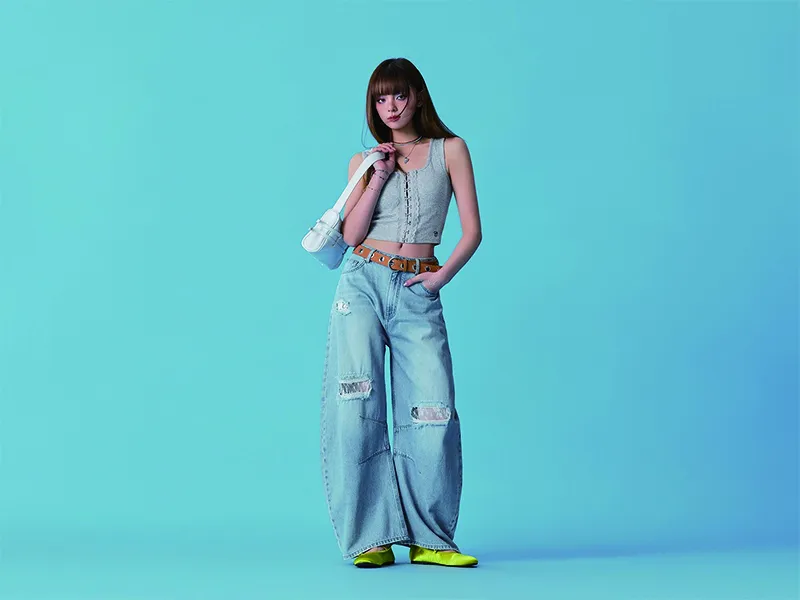
2. Rise of American Rural Pastoral Style In the mid-to-late 20th century, the prevalence of hippie culture and the back-to-the-country movement endowed pastoral style with a spirit of freedom and rebellion. American rural pastoral style blended classical European romance with the rugged practicality of workwear. Denim, plaid, floral blouses, and knit cardigans became staples, leaning toward comfort, durability, and everyday practicality.
3. Resurgence of Pastoral Retro in the Millennium Era In the early 2000s, the retro trend and fast fashion drove the commercialization of pastoral elements, turning classic vintage details into mainstream apparel. With the rise of social media and the growing popularity of the slow-living philosophy, pastoral style evolved into a spiritual symbol of longing for nature. High-waisted maxi dresses, lantern sleeves, lace, and small floral prints became its signature designs.
4. Diverse Integration of Contemporary Pastoral Style In the post-pandemic era, people’s longing for nature and slow living has intensified. Coupled with the rise of sustainable fashion, pastoral style has ushered in a new boom. It continuously integrates diverse cultures, expands into eco-friendly and organic fabrics, and places greater emphasis on daily wearability and personal expression, achieving a perfect balance between vintage charm and modernity.
Ⅲ. Five Subdivisions of Pastoral Style
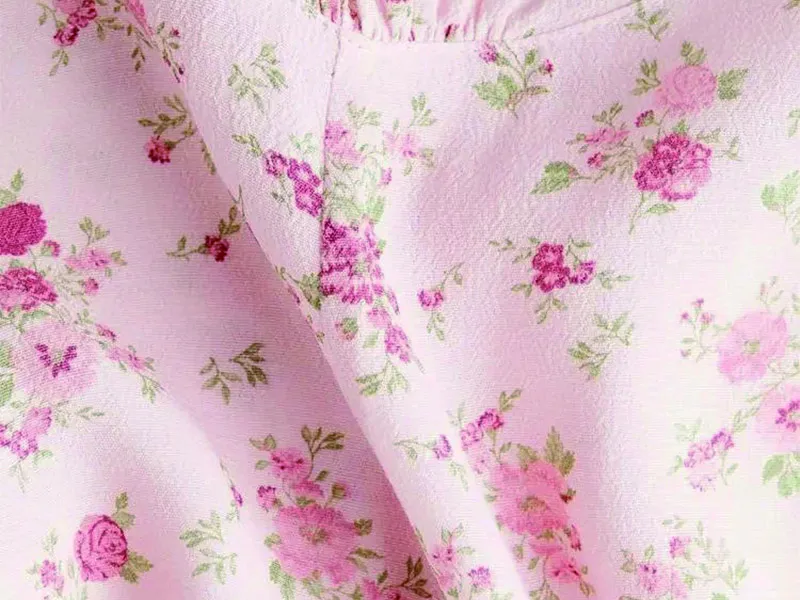
1. Romantic Pastoral Centered on soft hues, floral elements, and lightweight fabrics, it features gentle tones like light pink, mint green, and lavender. Paired with ruffles, floral embroidery, puff sleeves, and lace splicing, it uses chiffon and sheer materials to create a tender, romantic aesthetic. Ideal for poetic occasions such as picnics and outings.
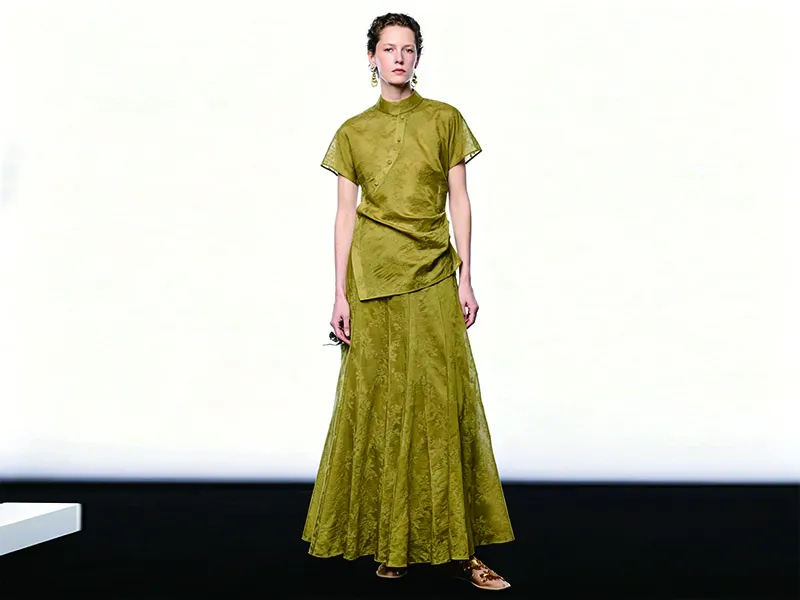
2. Moricore Style
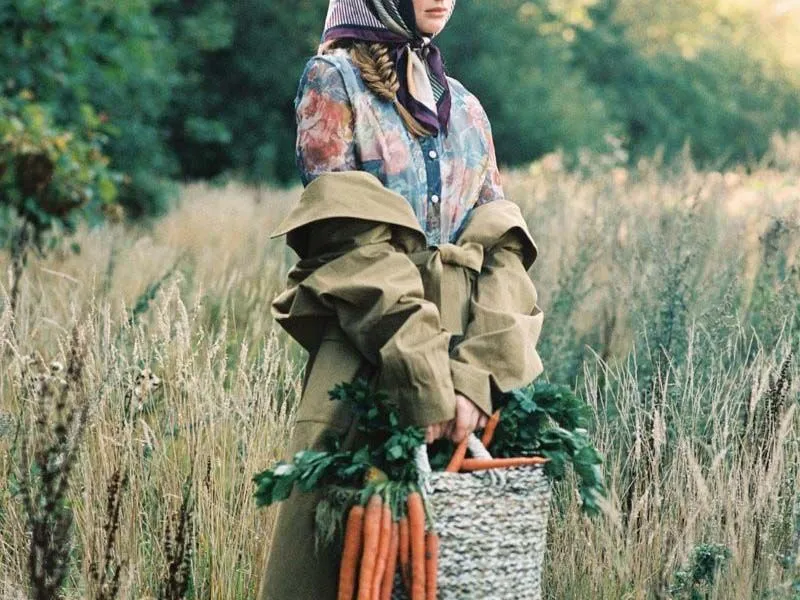
3. Farm Girl Keeping the pastoral romance while adding freshness and vitality, this style draws inspiration from fruits, vegetables and flowers. It integrates plaid, knit jacquard and crochet lace, with soft and lively colors. Paired with straw hats, woven bags, vests and other accessories, it creates a sweet and lively pastoral girl image and conveys a free and natural temperament.
4. Back to Wilderness This style features a striking contrast between ruggedness and delicacy. It combines the nostalgic charm of traditional plaid and hand-knitted textures with workwear silhouettes and outdoor functional details, delivering both rustic warmth and modern practicality. It caters to urban dwellers’ desire to break free from constraints and return to authenticity, offering both strong aesthetic vibes and great wearability.
5. Grandma’s Wardrobe Style Drawing inspiration from vintage wardrobes, this style incorporates hand embroidery, patchwork, and retro patterns, paired with bold and rich vintage color combinations. Matched with knit cardigans, plaid skirts, and retro accessories, it conveys a warm sense of nostalgia and storytelling, while infusing modern fashion vitality into the classic vintage base.
Ⅳ. Classic Runway Interpretations Many international brands have delivered high-end interpretations of Cottagecore. From rural wanderings to aristocratic picnics, from dreamy gardens to vintage manors, they have blended pastoral style with luxury, romance and retro elements. This has elevated Cottagecore from everyday wear to high fashion, and also offers premium and differentiated directions for foreign trade product selection.
Ⅴ.Conclusion Cottagecore has become a long-term mainstream trend in global foreign trade women’s apparel. Having evolved over centuries, it always aligns with people’s demand for nature, comfort and warmth. The five subdivisions cover diverse aesthetics including romance, minimalism, vibrancy, practicality and nostalgia, fitting customers in different regions worldwide such as Europe, America and Australia.
To develop Cottagecore women’s apparel, we must focus on four cores: natural materials, vintage elements, daily adaptation and sustainability. We should highlight classic details like floral prints, lace, cotton-linen blends and relaxed silhouettes, while improving pattern fitness and craftsmanship. By developing precise targeted pieces based on overseas market preferences and balancing comfort, atmosphere and wearability, we can create best-selling foreign trade items with high adaptability, high added value and high repurchase rates, secure a stable advantage in the cross-border women’s fashion market, and win sustainable orders and premium customers.